
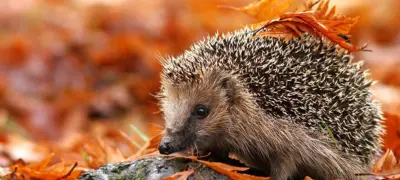
As the days grow shorter and temperatures begin to drop, our outdoor spaces undergo a remarkable transformation. Autumn is not only a season of vibrant colours, but also a critical time for wildlife preparing for the challenges of winter.
What wildlife to look out for?
Birds on the Move
Many migratory birds are making their journeys south, while resident species are busy building up energy reserves. Berry-producing shrubs such as hawthorn, blackthorn and rowan provide an essential food source during this period.
Hedgehogs Preparing for Hibernation
Autumn is a crucial feeding season for hedgehogs as they build fat reserves before hibernation. Leaving wild corners, log piles and leaf litter undisturbed can provide valuable shelter and foraging opportunities.
Bats Moving to Hibernation Sites
Bats are becoming less active as temperatures cool and may begin occupying their hibernation sites. Any maintenance works to buildings, trees or structures should consider the potential for protected species to be present.
Fungi Taking Centre Stage
Woodlands, parks and grasslands come alive with fungi in autumn. These fascinating organisms play a vital role in nutrient cycling and maintaining healthy ecosystems.
What can we all do this Autumn?
Thoughtful stewardship of our gardens and green spaces during autumn can make a real difference to local biodiversity. By working with nature rather than against it, we can create resilient, wildlife-rich spaces. Here are a few easy tasks.
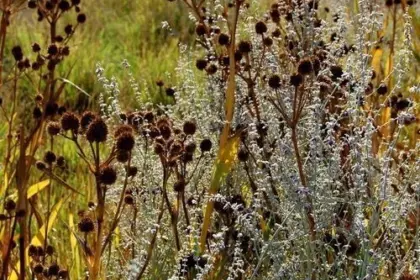
Leave areas of grassland uncut to provide habitat for insects and overwintering wildlife. Rather than cutting back all perennial plants leave seed heads and stems standing through winter providing food for birds and shelter for insects.
Retain fallen leaves in suitable areas to enrich soils and create shelter for invertebrates.
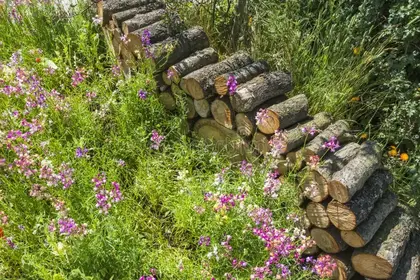
Create shelter for hedgehogs and other wildlife through log piles.
Plant for next year, native trees, shrubs, spring flowering bulbs and hedgerows. This will improve nature connectivity but could also provide early nectar sources for pollinators emerging next year. Consider adding plants with autumn and winter berries, such as holly and dog rose.
Avoid excessive tidying. A little natural mess can provide significant ecological benefits.
Provide a water source, especially over winter, where natural resources may freeze over.
Even small actions can make a meaningful contribution to creating healthier, more connected habitats for wildlife.
Podcast recommendation:
Rewilding the World by Ben Goldsmith
“How to re-wild your garden without walking away” with Tom Stuart-Smith (29th July 2026).
Short clip here: https://www.youtube.com/watch?v=Nr_ODVDBxOA or search Rewilding the World in your preferred podcast app.
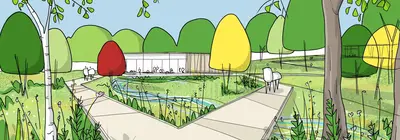
We were really impressed with Land Studio. They are creative, a delight to work with and captured our vision and their own vision perfectly.
Shahina Ahmad, Principal of Eden Girls’ School, Waltham Forest.